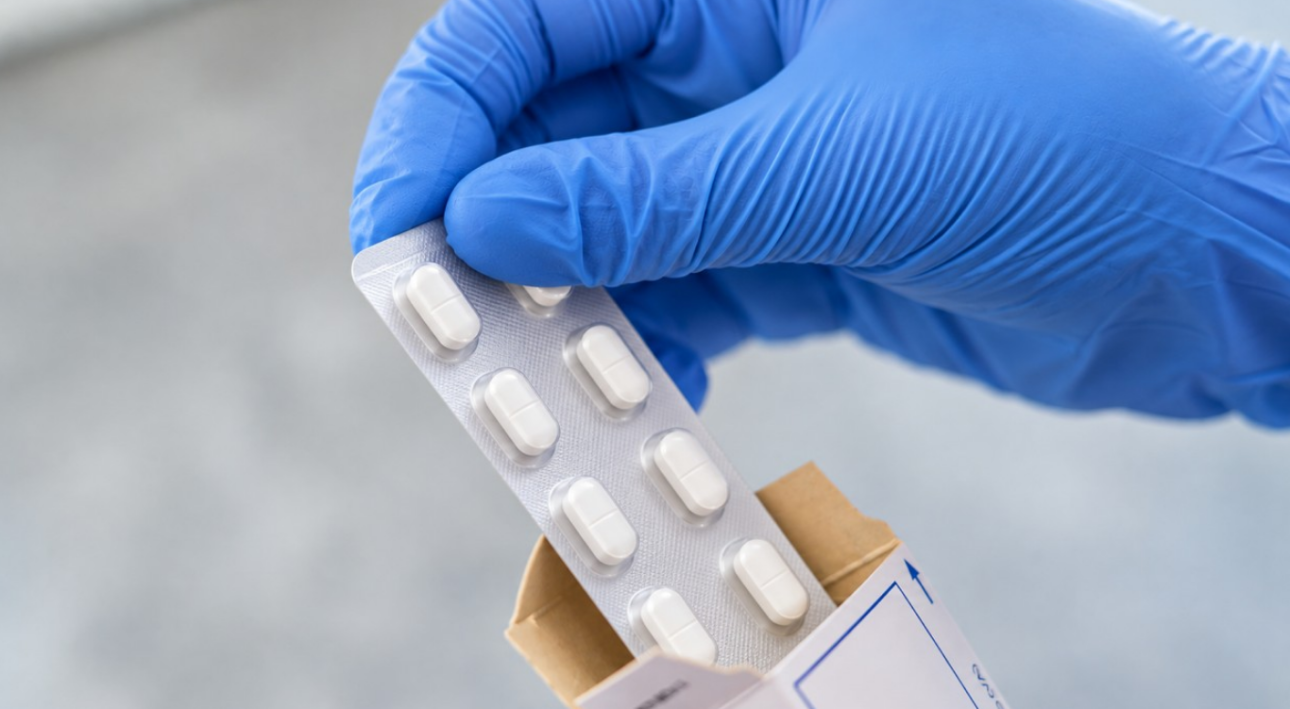

The rare disease therapeutic landscape has evolved rapidly over the last decade, driven by advances in biologics, cell and gene therapies, personalized medicines, and targeted treatments. As rare disease development activity increases, many emerging biotech companies are working with highly specialized products intended for extremely small patient populations. In the United States, the Orphan Drug Act defines a rare disease as one that affects less than 200,000 people in the country.
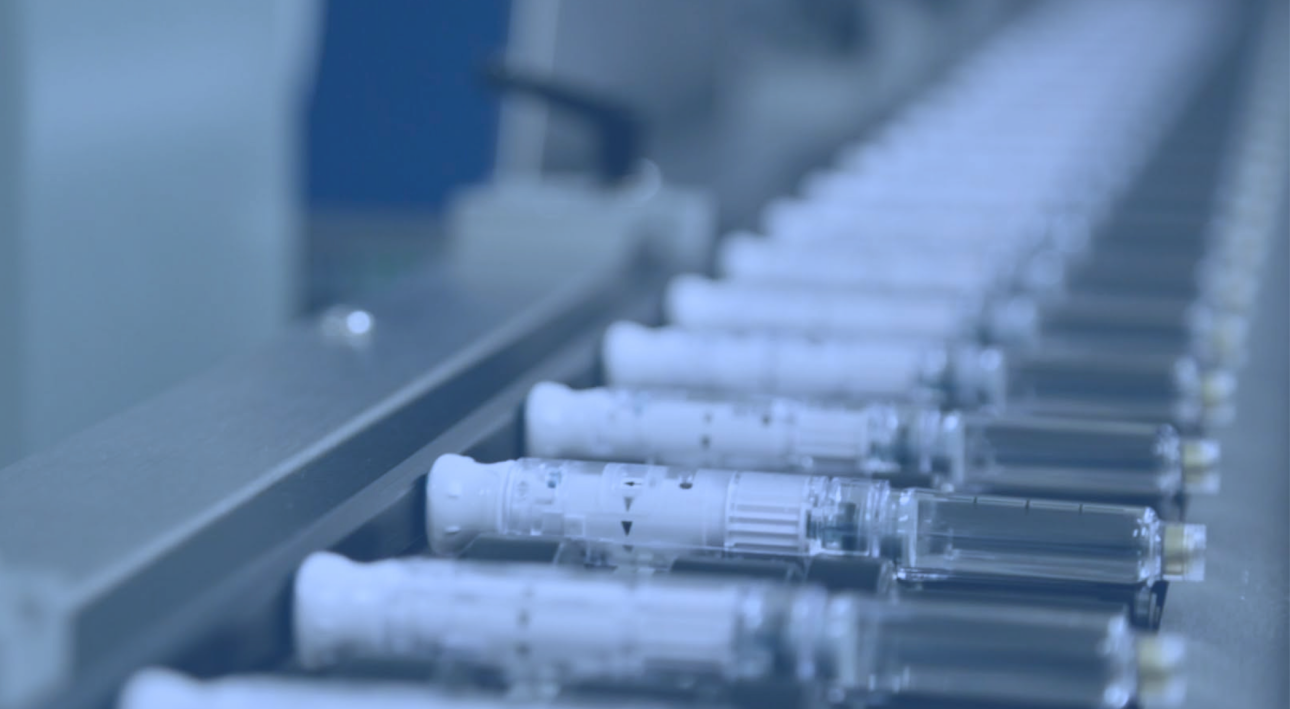
While these therapies offer tremendous potential for patients with unmet medical needs, they also introduce unique manufacturing challenges—particularly during sterile fill-finish operations.
Unlike traditional large-scale pharmaceutical manufacturing, rare disease therapies are often produced in very small batches using limited quantities of highly valuable active pharmaceutical ingredient (API) or drug substance. In many cases, product loss during manufacturing is not simply a financial concern; it may directly impact clinical timelines, patient access, or the viability of an entire development program.
Successfully manufacturing these products requires a fundamentally different approach to aseptic processing—one centered around flexibility, precision, sterility assurance, and minimizing material loss at every stage of production.
This paper explores the fill-finish challenges associated with rare disease drug products and highlights strategies that can help developers successfully navigate small-batch sterile manufacturing, including:
- Minimizing loss through fill-finish and analytical testing process design
- Understanding the impact of filling environment on sterility
- Understanding regulatory expectations for these specialized therapy types
- Highlighting considerations for choosing the right CDMO for rare disease fill-finish
Download whitepaper

Enabling Rare Disease Therapies
About the author
Saran Malhi is an Associate Director of MSAT and Technology Transfer at Sharp Sterile Manufacturing, with more than 10 years of experience in pharmaceutical formulation development, sterile manufacturing, process scale-up, and technology transfer. He holds a PhD in Pharmaceutics (Drug Delivery) from the University of Manitoba, along with an MSc in Pharmaceutics and a Bachelor of Pharmacy degree.
Dr. Malhi has led numerous clinical-to-commercial technology transfers and focuses on applying science- and risk-based approaches to develop robust, scalable manufacturing processes for complex and high-value therapies. His areas of expertise include aseptic fill-finish, lyophilization development and commercial scale-up, process optimization, technology transfer, process validation, and continued process verification.